River Valley Handyman Blog
Essential Guide to Making Smart Home Improvement Decisions
Homeowners in Boise face a unique set of challenges when deciding between DIY projects and professional help, particularly given our semi-arid climate with its 200+ sunny days and occasional freeze-thaw cycles. With over 103,000 housing units across neighborhoods from the historic North End to the elevated Bench area, we see countless residents grappling with this decision.
The key to making the right choice lies in honestly assessing three critical factors: your skill level, the project's complexity and safety requirements, and whether permits are needed. Simple tasks like painting or basic landscaping often work well as DIY projects, especially in our dry climate that provides ample working days.
However, projects involving electrical work, plumbing, structural changes, or roofing should typically involve professionals. Our local weather patterns, including potential hailstorms and UV exposure from abundant sunshine, make proper installation crucial for long-term durability and safety.
Key Takeaways
- Evaluate your skills, available time, and the project's safety requirements before deciding between DIY and professional help
- Complex projects involving electrical, plumbing, structural work, or permits typically require professional expertise
- Consider long-term costs and potential safety risks when weighing upfront savings against professional quality and warranties
Key Factors in Deciding: DIY or Hire a Pro?
Several critical considerations determine whether we should tackle home improvement projects ourselves or call licensed professionals. These factors range from assessing our skill level and project scope to understanding safety requirements and calculating true project costs.
Assessing Project Complexity and Scope
Project complexity serves as the primary indicator for determining whether we need professional help. Simple tasks like painting interior walls, replacing cabinet hardware, or installing basic shelving typically fall within most homeowners' capabilities.
Complex projects require specialized knowledge and experience. Structural modifications, electrical work beyond basic fixture replacement, and major plumbing installations demand professional expertise. We must consider whether the project affects load-bearing elements, requires permits, or involves multiple building systems.
The scope also matters significantly. Small bathroom updates like replacing faucets differ vastly from full kitchen renovations involving appliance installation, countertop replacement, and cabinet work. Large-scale projects often require coordinating multiple trades and materials, making professional management essential.
Time-sensitive projects may exceed our available schedule. Professional contractors complete work faster due to experience and dedicated time, while our DIY projects often extend over weeks or months.
Skill, Experience, and Specialized Tools
Our existing skills and experience level directly impact project success. Honest self-assessment prevents costly mistakes and safety hazards. We should only attempt projects matching our demonstrated abilities.
Specialized tools often determine project feasibility. Professional-grade equipment like tile saws, pipe threading machines, or concrete mixers cost hundreds or thousands of dollars. Renting tools adds expense while requiring learning curves for safe operation.
Experience gaps create significant risks. Licensed professionals understand material properties, proper techniques, and common pitfalls. They recognize potential problems before they occur and adapt solutions accordingly.
Some skills transfer between projects, while others remain highly specialized. Basic carpentry knowledge helps with multiple home improvement tasks, but electrical work requires specific training in voltage, circuit design, and safety protocols.
Consider the learning investment required. Simple skills develop quickly, but complex techniques need substantial practice to master safely and effectively.
Safety, Compliance, and Legal Considerations
Safety considerations become paramount for projects involving electricity, gas, structural elements, or working at heights. Professional contractors maintain insurance, follow established safety protocols, and use appropriate protective equipment.
Local building codes require permits for many projects. Code compliance ensures safety and protects our property value. Unpermitted work creates problems during home sales and may violate local ordinances.
Licensed contractors understand current building codes and permit requirements. They handle inspections and ensure work meets legal standards. DIY code violations result in expensive corrections and potential liability issues.
Insurance implications affect our decision significantly. Many homeowners' policies exclude damage from unpermitted work or DIY electrical/plumbing projects. Licensed professionals carry liability insurance protecting them from accidents and errors.
Structural work requires engineering knowledge and permits. Foundation repairs, load-bearing wall modifications, and roof structural changes demand professional involvement regardless of our skill level.
Budget, Time, and Hidden Costs
Budget calculations must include all project costs, not just materials. Professional labor costs seem expensive initially but include expertise, insurance, warranties, and guaranteed completion timelines.
Hidden costs of DIY accumulate quickly. Tool purchases or rentals, multiple material trips, permit fees, and potential mistake corrections often exceed initial estimates. We frequently underestimate material quantities and project complexity.
Time investment varies dramatically between DIY and professional work. Our weekend project may require months to complete, while professionals finish in days or weeks. Extended project timelines disrupt daily life and may damage relationships.
Professional contractors often secure better material prices through trade relationships. Their bulk purchasing power and established supplier connections can offset some labor costs.
Warranty protection differs significantly between approaches. Licensed contractors provide work warranties, while DIY projects offer no recourse for errors. Material warranties may become void without proper installation by qualified professionals.
Consider opportunity costs carefully. Time spent on complex DIY projects could generate income through our regular work or other valuable activities.
When to Seek Professional Help for Home Improvements
Certain home improvements require specialized skills, licensing, or safety expertise that make professional help essential. Projects involving structural changes, hazardous materials, or complex systems like electrical work and plumbing demand qualified contractors, while other tasks remain well-suited for DIY approaches.
Projects Requiring Licensed or Qualified Experts
Electrical work represents one of the most critical areas where we must hire a licensed electrician. Code violations can create fire hazards and void insurance coverage. Any project involving circuit additions, panel upgrades, or outlet installations requires professional expertise.
Plumbing projects beyond basic fixture replacements need a licensed plumber. Moving water lines, installing new pipes, or addressing sewer connections involve complex regulations. Gas line work particularly demands professional handling due to safety risks.
Major appliance repair for units like furnaces, water heaters, and central air systems requires specialized training. These appliances involve multiple systems including electrical, gas, and water connections.
Structural changes mandate hiring a structural engineer and licensed contractors. Wall removal, beam installations, or foundation modifications affect your home's stability. Building permits typically require professional plans and inspections for these projects.
Major Repairs and Renovations
Roof repair projects beyond simple shingle replacement warrant professional attention. Complex leak repairs, flashing work, and full roof replacements require specialized knowledge of water management and structural load requirements.
Bathroom remodel projects involving plumbing relocation or electrical additions need professional coordination. While we can handle painting a room or installing shelves ourselves, bathroom renovations often require multiple licensed trades working in sequence.
Home renovation projects affecting load-bearing elements or requiring permits benefit from hiring a contractor. These professionals coordinate multiple trades and ensure compliance with local building codes.
Kitchen remodels involving gas line modifications, electrical panel upgrades, or structural alterations require professional oversight. The complexity of coordinating plumbing, electrical, and gas systems makes professional management essential.
Situations Involving Safety or Structural Integrity
Hazardous materials like asbestos, lead paint, or mold require certified remediation specialists. Improper handling creates serious health risks for our families and neighbors.
Structural integrity issues including foundation problems, sagging floors, or cracked walls need immediate professional assessment. These problems worsen rapidly and affect home safety.
Roof work on steep slopes or multi-story homes presents significant fall risks. Professional roofers have proper safety equipment and insurance coverage for high-risk work.
Electrical panels, main water lines, and gas connections involve utilities that can cause injury or property damage when handled incorrectly. These systems require specialized tools and safety protocols.
Scenarios Best Suited for DIY
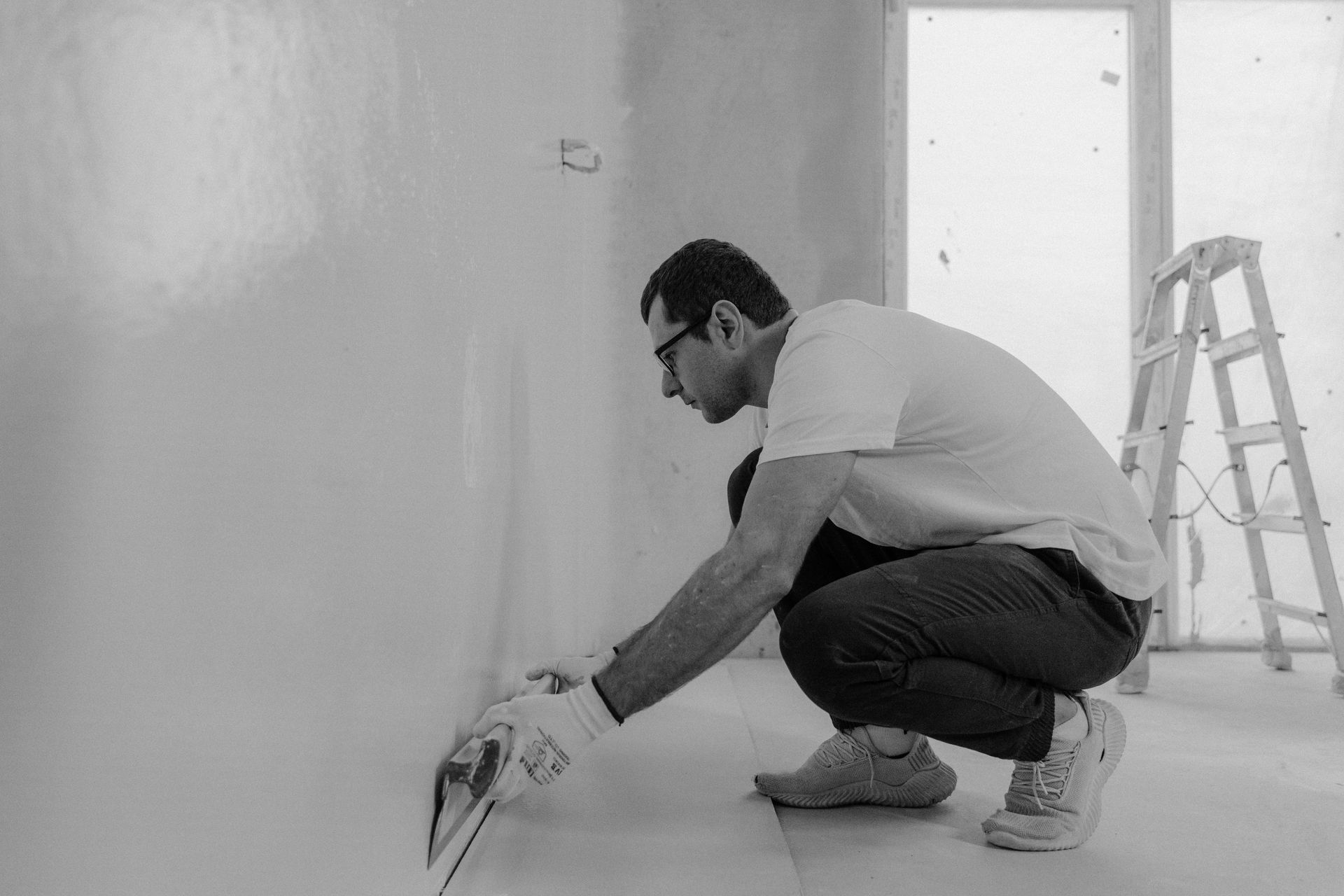
Interior painting and painting a room remain excellent DIY projects for most homeowners. These tasks require minimal specialized skills and offer significant cost savings.
Installing shelves and furniture assembly provides manageable projects that build confidence. These improvements enhance home functionality without requiring permits or specialized expertise.
Basic landscaping work, including planting, mulching, and garden bed creation, suits DIY approaches. These projects improve curb appeal while offering flexibility in timing and budget.
Home maintenance tasks like caulking, basic cleaning, and minor touch-ups help preserve our investment. Regular DIY maintenance prevents larger problems requiring professional intervention.
Small repairs, including loose cabinet handles, squeaky hinges, and minor drywall patching, offer perfect starting points for building DIY skills. A qualified handyman can also handle these tasks if time constraints limit our availability.
Frequently Asked Questions
Homeowners often struggle with determining when a project requires professional expertise versus when they can handle it themselves. The decision involves evaluating personal skills, safety risks, potential cost savings, and long-term investment value.
How do I decide between DIY and professional services for a home project?
We recommend starting with an honest assessment of your skill level and available time. Consider whether you have the necessary tools and experience to complete the project safely and to code to the requirements.
Complex projects involving electrical work, plumbing, or structural modifications typically require professional expertise. Simple tasks like painting, basic landscaping, or installing shelving are often suitable for DIY approaches.
Time constraints also play a crucial role in this decision. In Boise's climate, with over 200 sunny days annually, we have excellent weather windows for exterior projects, but summer temperatures averaging 90°F can make roofing work particularly challenging for inexperienced homeowners.
What are the risks of managing a home renovation project without professional assistance?
Safety represents the primary concern when attempting complex renovations without proper training. Electrical work poses fire and electrocution risks, while structural modifications can compromise your home's integrity.
Building code violations create long-term problems that affect resale value and insurance coverage. Many jurisdictions require permits and inspections for significant renovations, which professionals understand thoroughly.
We often see homeowners underestimate project complexity, leading to incomplete work or costly mistakes. In Boise's semi-arid climate with freeze-thaw cycles, improper installation of exterior elements can result in water damage or structural issues.
How can I evaluate whether a renovation project is within my DIY capabilities or requires a contractor?
Start by researching the specific skills and tools required for your project. Watch instructional videos and read detailed guides to understand the full scope of work involved.
Consider the consequences of mistakes for each aspect of the project. Minor cosmetic errors might be acceptable for DIY work, but structural or safety-related mistakes require professional precision.
Evaluate your physical capabilities and comfort level with heights, heavy materials, or power tools. Projects requiring specialized equipment or materials often indicate professional involvement is necessary.
What factors should I consider when estimating the potential savings of DIY versus hiring a pro?
Calculate the true cost of materials, tools, and your time investment. Factor in the learning curve and potential need to redo work if mistakes occur.
Consider the warranty and insurance coverage that professionals provide. We find that homeowners often overlook these protections when calculating DIY savings.
Account for permit costs and inspection fees, which remain the same regardless of who performs the work. Professional contractors often have established relationships with suppliers, potentially accessing materials at lower costs than retail prices.
Why might a professional be necessary for certain home improvements even if they seem simple?
Building codes and safety regulations govern many seemingly straightforward projects. Installing a ceiling fan requires electrical knowledge and proper support structure assessment.
Insurance requirements may mandate professional installation for certain improvements. Many warranties become void if products are not installed by certified professionals.
We see this frequently with HVAC work in Boise's variable climate, where improper installation affects efficiency and safety. Even simple plumbing repairs can lead to water damage if not executed correctly.
Which home improvement projects typically yield the best return on investment when hiring a professional?
Kitchen and bathroom renovations consistently provide strong returns when professionally executed. These projects involve multiple trades and complex installations that benefit from coordinated professional management.
Roofing work offers excellent ROI when professionally installed, particularly important in Boise's climate with moderate snow loads and UV exposure. Professional installation ensures proper ventilation and weatherproofing.
Energy efficiency upgrades like insulation and window replacement provide long-term savings when correctly installed. We find that professional installation maximizes performance and ensures proper sealing, crucial in our semi-arid environment with temperature extremes ranging from 111°F to -28°F.